
GOT MOLD ?
Don't Take Chances! Call the Top Mold
Remediation Company in Saint Joseph and get cleaned up FAST!



Why Choose Us?
- Certified Pros
- Available 24/7/365
- Rapid Response
- Fully Licensed And Insured
- We Work With Your Insurance Company
Call Now (816) 816-5640
Saint Joseph Mold Remediation Services
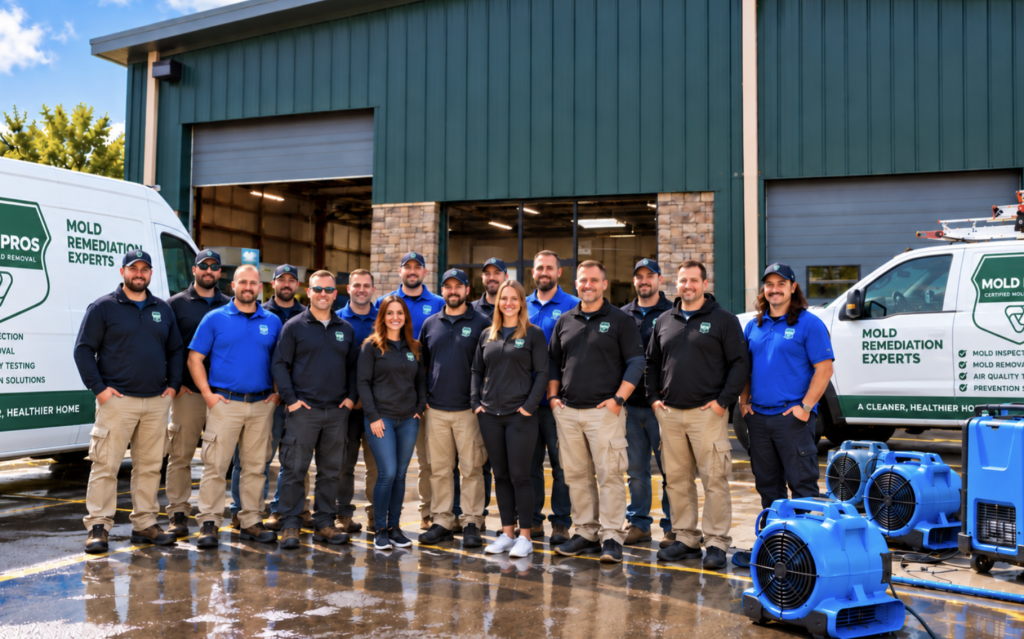
Saint Joseph Mold Remediation Pros helps property owners address mold, moisture, and damaged building materials in St. Joseph, Missouri. We work with homeowners, landlords, and commercial property owners who need a clear plan after a leak, storm, flood, or long-term humidity problem. Our work focuses on finding the moisture source, protecting unaffected areas, and removing or cleaning materials that cannot remain safely in place. We are IICRC certified and BBB registered, and we bring that care to homes and buildings throughout the local area.
Why St. Joseph properties commonly need mold help
- Heavy rain and flooding: Missouri River, Platte River, creek, and drainage-area flooding can saturate floors, walls, and other materials that need prompt drying.
- Roof leaks: Damaged shingles, flashing, or seals can send water into attics, ceilings, and wall cavities before a stain becomes obvious.
- Plumbing leaks: Slow leaks inside walls or beneath fixtures can keep drywall, framing, flooring, and cabinets damp for days or weeks.
- High indoor humidity: Humid summer air, weak bathroom ventilation, and poor dehumidification can support mold even without a large visible leak.
How we help with mold and moisture problems
We begin by looking at where moisture entered and which materials were affected. That review helps separate surface growth from damage inside walls, ceilings, floors, crawl spaces, or other assemblies. We then outline the needed cleanup, removal, drying, and protection work in plain language. A focused plan helps you avoid disturbing affected materials before the work area is controlled.
Mold can appear in attics, crawl spaces, basements, walls, floors, and occupied rooms. Older St. Joseph properties often combine wood framing, masonry, plaster, and mixed materials, so one moisture event can affect several surfaces differently. We use containment and HEPA air filtration when the work requires controls that limit the spread of mold dust. Containment means plastic barriers that separate the work area from the rest of the building, while a HEPA air scrubber filters fine particles from the air.
Our service may include cleaning salvageable surfaces and removing porous materials that have absorbed mold or dirty water. Porous materials include drywall, carpet, insulation, and some ceiling materials. We also focus on the source, because cleaning without correcting the moisture problem leaves the building vulnerable to recurrence. For a closer look at the work sequence, affected materials, and project boundaries, visit our mold removal and remediation service page.
What local building conditions can change the plan?
St. Joseph has year-round precipitation, frequent spring and summer thunderstorms, and humid conditions that affect drying. Properties near the Missouri River or other mapped floodplain areas need separate attention to floodwater, foundation conditions, and post-flood drying. A crawl space with exposed soil or damp joists also needs a different review than a small bathroom leak. We consider the room, material, moisture source, access, and building use before describing the work.
Historic homes and older commercial buildings can have aging roofs, windows, masonry joints, and foundation details that allow intermittent water entry. Freeze-thaw cycles in winter can enlarge existing cracks and create occasional moisture paths through walls or foundations. Designated historic districts may also involve planning or preservation questions before repair work changes exterior features. The City of St. Joseph Planning and Community Development office can help with local permit and planning questions.
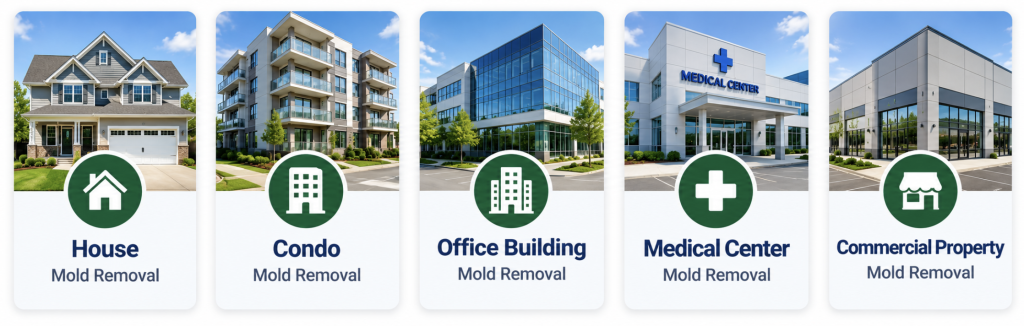
Commercial properties need the same moisture focus, but the work area may affect more people and more building systems. We provide mold remediation help for homes, apartments, condos, offices, schools, churches, medical facilities, retail properties, and industrial buildings. Occupied buildings may require extra attention to access, contents, ventilation, and separation between work areas and active spaces. If flooding or storm damage is involved, Buchanan County emergency and GIS resources can also help clarify local conditions.
Where we provide service
Our primary service area is St. Joseph in Buchanan County, Missouri. We serve properties in Downtown St. Joseph, Old Town North, Museum Hill, and Robidoux Hill, along with other parts of the incorporated city. We also work with customers in nearby Savannah, Country Club Village, Elwood, and Wathena when the project fits our service area. Please identify the property location and the moisture event when you speak with us.
Our work covers residential and commercial buildings with visible mold, musty odors, water-damaged materials, or recurring moisture concerns. A recent storm, a plumbing failure, a wet crawl space, or a long-hidden roof leak each creates a different starting point. We do not treat every dark stain as a confirmed mold type, and color alone does not identify a species. If you have questions about warning signs, identification, or when independent information is useful, read our mold warning signs guide.
Credentials and careful project planning
Our company is IICRC certified, and our BBB status is registered. Those facts do not replace a property review, but they give you useful context when choosing a remediation company. We explain the affected areas, likely moisture source, and work limits before cleanup begins. You should also ask about any separate repairs needed for roofing, plumbing, drainage, or structural damage.
We use the affected material and moisture conditions to shape the scope rather than applying the same work plan to every property. Actual costs vary with affected materials, work-area size, containment needs, access, and the moisture source. An inspection is needed before a final scope and price can be provided. Keep photographs, invoices, and moisture-event details if you plan to discuss the loss with your insurer.
If you have visible mold, persistent musty odors, or materials that stayed wet after a leak, call (816) 816-5640. We will ask what happened, where the problem is located, and whether water is still entering the building. Please shut off the water source when it is safe to do so, and avoid cutting into walls or pulling up flooring before the area is reviewed. We will explain what information is useful for the first visit and what the next steps may involve.
Frequently Asked Questions
Can mold develop after a St. Joseph storm even if the room looks dry?
Yes, moisture can remain behind drywall, under flooring, or inside insulation after the surface dries. Heavy rain and flooding can affect wall cavities and subfloors that are not easy to see. A musty odor, staining, swelling, or repeated dampness can point to hidden moisture. Do not paint over the area until the source and affected materials have been reviewed.
Are crawl spaces a common concern for local properties?
Crawl spaces can hold moisture from exposed soil, poor drainage, foundation entry, or limited airflow. Humid outdoor air can also add moisture when the space lacks proper control. Damp joists and subfloors can affect rooms above the crawl space over time. Keep stored items off the ground and report standing water or persistent odors during your property review.
What should I do if floodwater entered the building?
Keep people away from unsafe areas and address the water source when it is safe. Do not use electrical equipment in standing water or disturb materials contaminated by sewage or floodwater. Photograph the damage and record when the water entered, especially for an insurance discussion. Missouri Department of Health and Senior Services provides disaster recovery guidance for flood, storm, and mold conditions.
Can older or historic buildings require special planning?
Older buildings often contain masonry, plaster, wood, and layered finishes that respond differently to moisture. Exterior repairs around windows, roofs, walls, or foundations may also involve local planning questions. The City of St. Joseph Planning and Community Development office provides information about permits and development review. A remediation plan should address the moisture source without assuming every older material needs removal.